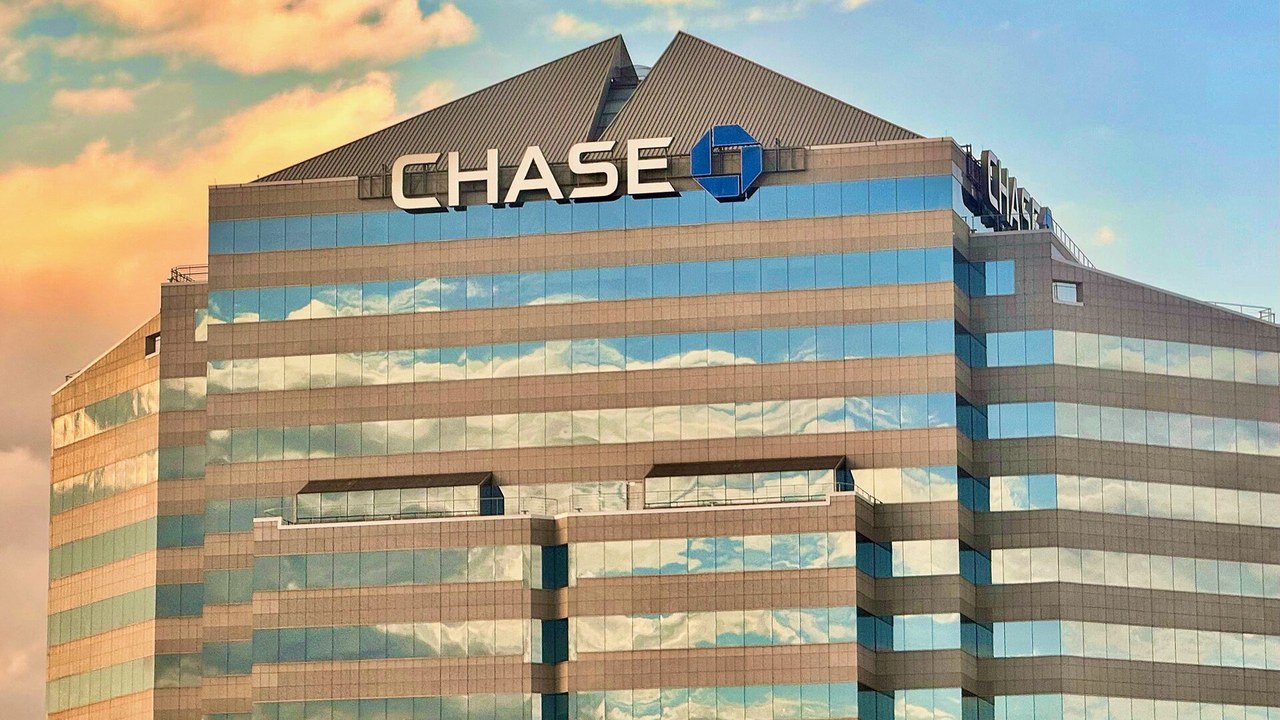
Millions of Americans opened their banking apps on Monday afternoon, November 16, 2026, and could not get in. Customers of JPMorgan Chase — the biggest bank in the United States — reported trouble logging in, checking balances and moving money, and the disruption spilled into Zelle payments at other major banks. Chase says the cause was a software bug in its own hardware systems, not a cyberattack, and that customers kept access to their accounts and funds.
The scale of the disruption showed up fast on Downdetector, the outage-tracking site, which recorded almost 5,000 reports of problems with Chase's services by 2 p.m. Eastern Time on Monday — the highest count of any bank it monitors. For scale, Chase serves more than 86 million customers through 5,000 branches across the country, plus 7.4 million small businesses, and is the top credit card issuer in the United States. When a bank that big has a bad afternoon, a lot of people feel it at once.
Chase was not the only name on the outage boards. Bank of America customers reported problems at ATMs and with mobile banking. Wells Fargo customers had trouble signing in, seeing balances and completing transactions. U.S. Bank customers reported issues with online accounts, the mobile app and transfers — and some saw error messages when they tried to send money through Zelle. Downdetector also recorded surges for Capital One and Truist, although Capital One said it was operating normally and had not been affected.
Chase moved quickly to explain what was happening. A spokesman, Joe Evangelisti, said the problem came from a temporary issue with an on-premise hardware system — a software bug, in the bank's words — and that it was not the result of a cyberattack. The bank said it was working to restore full service by the end of the day on Monday, and told customers that some transactions were taking longer than usual to complete but that they still had access to their accounts and funds.
JPMorganChase has experienced a temporary issue related to a software bug in on-premise hardware systems — there is no evidence this is cyber-related. It is taking longer than usual to service some customers.
The picture that emerged by Monday evening was narrower than the first wave of reports suggested — and more confusing in one specific way. Truist, PNC and Capital One all told the BBC they had not been impacted, despite customers reporting problems. U.S. Bank said its own systems were not directly affected, but customers sending Zelle payments involving another bank could still hit delays. Zelle itself said its service was operating as it should, and that issues at other banks could be affecting payments. In other words: one bank's bug, felt across the shared payment rails that connect them.
THE STORY SO FAR
Monday afternoon, November 16 — Reports of banking problems surge across the United States. Downdetector logs almost 5,000 reports for Chase by 2 p.m. Eastern, with problems also reported at Bank of America, Wells Fargo, U.S. Bank and Zelle.
Monday afternoon, November 16 — Chase confirms the cause: a software bug in an on-premise hardware system. The bank says the issue is temporary, not systemic and not cyber-related, and that it is working to restore full service by the end of the day.
Monday evening, November 16 — Problems ease for many customers. By 6 p.m. Eastern, the number of reported outages has fallen at Chase, Bank of America and U.S. Bank. Chase says some transactions are still taking longer than usual.
THE KEY NUMBERS
Almost 5,000 — Downdetector reports of problems with Chase's services by 2 p.m. Eastern on Monday, the highest of any bank tracked.
86 million — customers Chase serves, through 5,000 branches, plus 7.4 million small businesses.
33% website, 32% fund transfers, 20% login — the breakdown of reported Chase problems on Downdetector, showing the outage hit the website and money movement hardest.
4 banks with confirmed trouble — Chase, Bank of America, Wells Fargo and U.S. Bank — and 3 that said they were not hit: Truist, PNC and Capital One.
WHAT HAPPENS NEXT
For most customers, the practical answer is simple: check your app or account before you do anything else. Chase said customers kept access to their accounts and funds throughout the outage, so a balance that looks wrong is more likely a delayed update than missing money — but verify it before you spend against it.
If a Zelle payment involving Chase failed or is still pending, do not simply send it again right away. A payment that looked like it failed can still go through late, and sending a second one risks paying twice. Check the transaction history first, and if the money has left your account but not arrived, contact your bank with the transaction details rather than re-sending.
Chase said it was working to restore full service by the end of Monday, and reports were already falling by the evening. If your app still misbehaves on Tuesday morning, try logging out and back in, and check the bank's official status updates before assuming the worst. The bank has not said it will compensate customers for the disruption, and there is no sign so far that any money was lost.
The banking outage was the third big technology failure in the United States in four days — and that run of bad luck is part of why the cyberattack rumours spread so fast. Microsoft suffered a widespread outage across Outlook, Teams and Copilot last Thursday that ran into Friday. On Friday, a network failure forced the Federal Aviation Administration to halt all flight departures nationwide for just over four hours. And on Monday, United Airlines reported its own widespread system outage, halting departures for a few hours. Each was unrelated, each had a mundane technical cause, and none was a cyberattack — but three in four days is exactly the kind of pattern that makes a rumour feel true.