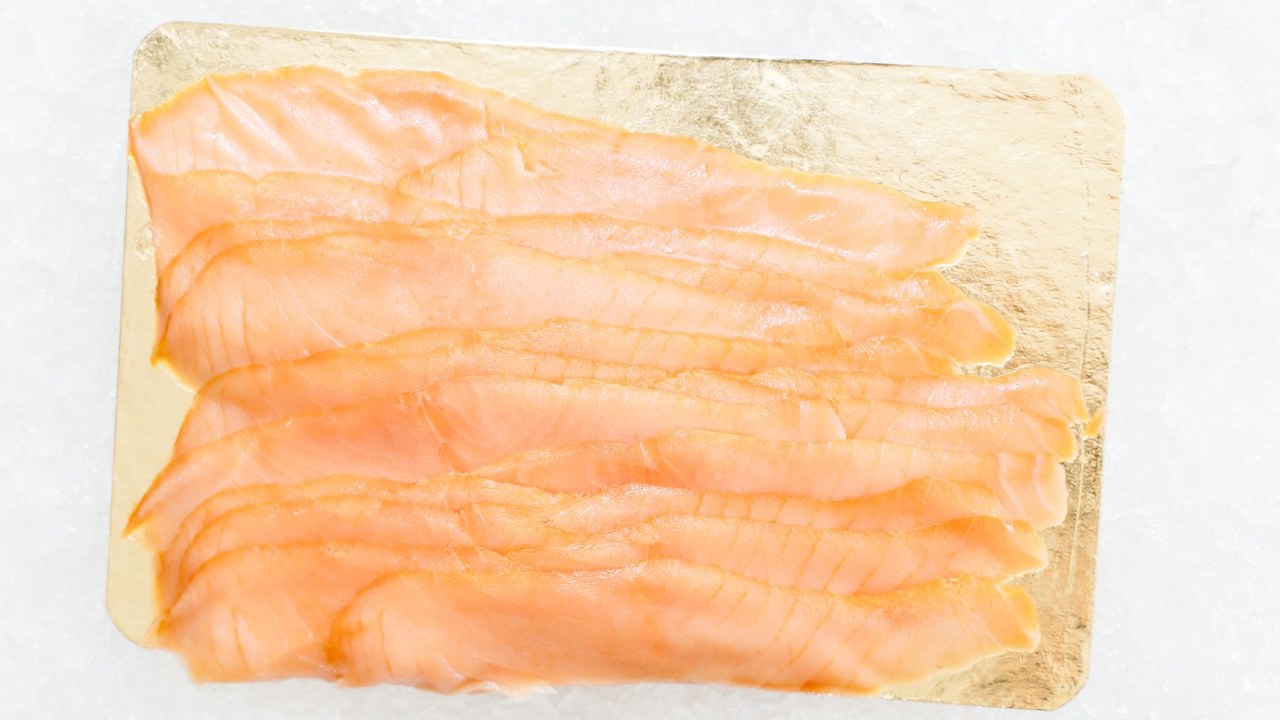
A recall quietly posted in late October became much more serious on November 3. The FDA has upgraded the recall of Starfish Seafood cold-smoked salmon — made by Krasnyi Oktyabr Inc. — to Class I, the agency's highest risk category, over possible contamination with Listeria. Cold-smoked salmon is the kind of product that sits in a refrigerator for weeks and gets served without cooking, which is exactly why this one deserves a fridge check today. The upgrade covers two specific products with specific lot numbers, listed in full below.
Check Your Fridge: The 2 Products And Lot Numbers
Product one is Cold Smoked Norwegian Salmon Sliced, lot D080-148, with a best-before date of November 27, 2027. Product two is Cold Smoked Trio, from lot range D139149161-153. According to the recall information, 86 cases of each product were distributed across nine states. If either package is in your refrigerator, match the lot number printed on it against those numbers before anything else: same brand family and same fish is not enough — the recall attaches to these lots. One clarification worth making, because search suggestions this week have blurred it: the coverage of this recall does not place these products at Costco, and nothing in the FDA information we reviewed says otherwise. Check the package in your hand, not the store you think sold it.
What "Class I" Actually Means
The FDA sorts recalls into three classes, and the labels are about probability, not drama. Class III covers products unlikely to cause harm; Class II covers products that might cause temporary or reversible problems. Class I — the top of the scale — is reserved for situations where the agency judges there is a reasonable probability that using the product will cause serious adverse health consequences, including death. Very few recalls reach Class I, and when one does, it means federal reviewers looked at the product, the contaminant and the likely exposure, and concluded the risk was concrete rather than theoretical. It does not mean anyone has fallen ill — it is a forward-looking risk judgment, and in this case it was made days after the original recall, which is its own part of the story.
Class I is the FDA's most serious judgment: a reasonable probability of serious harm. Few recalls ever reach it.
Why The FDA Upgraded It After The Fact
Readers often ask why a recall 'gets worse' a week later, and whether the upgrade means new illnesses. Usually, it means neither. Recall classification is a separate step from the recall itself: a company can announce and begin a recall promptly, while the FDA's formal classification — which involves reviewing the health hazard assessment — follows days later. The initial announcement for this salmon came first; the Class I classification was applied on November 3. The practical meaning for you is timing, not new danger: a product announced in late October may only now be appearing in 'highest risk' headlines because the paperwork of seriousness caught up with the product. The lot numbers did not change. If you checked this recall last week and set it aside, the upgrade is the reason to check once more, carefully.
Listeria: Who Is Most At Risk
The contaminant named in the recall is Listeria monocytogenes, a bacterium with an unpleasant talent: it can keep growing slowly at refrigerator temperatures, in ready-to-eat foods that never get cooked before serving — cold-smoked fish is a textbook example. For most healthy adults, listeriosis is a miserable but passing flu-like illness. For the groups the FDA and CDC consistently flag — pregnant women, newborns, adults over 65, and people with weakened immune systems — it can become invasive and life-threatening, and in pregnancy it can harm the baby even when the mother's symptoms are mild. Symptoms can also take days or even weeks to appear after eating a contaminated product, which is why the advice is to watch and, if fever, muscle aches, confusion or stiff neck develop after eating a recalled product, to contact a doctor and mention the exposure explicitly.
What To Do If You Bought It
If your package matches the products and lots above, do not eat it — and do not taste a corner to 'check' it; contamination is invisible and tasteless. The standard guidance for recalled food applies: return it to the place of purchase for a refund, or dispose of it in a way that keeps it away from children, pets and anyone who might fish it out of the trash, following the remedy instructions in the FDA's listing for this recall, which remains the authoritative version. Clean any refrigerator surfaces or containers the fish touched, since Listeria can linger on surfaces and cross-contaminate other foods. And if the package in your fridge is a different lot, it is not part of this recall as currently posted — but the two-minute check you just did is the entire habit the FDA's system depends on.