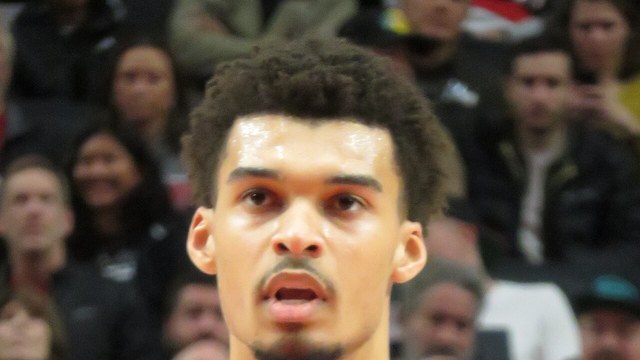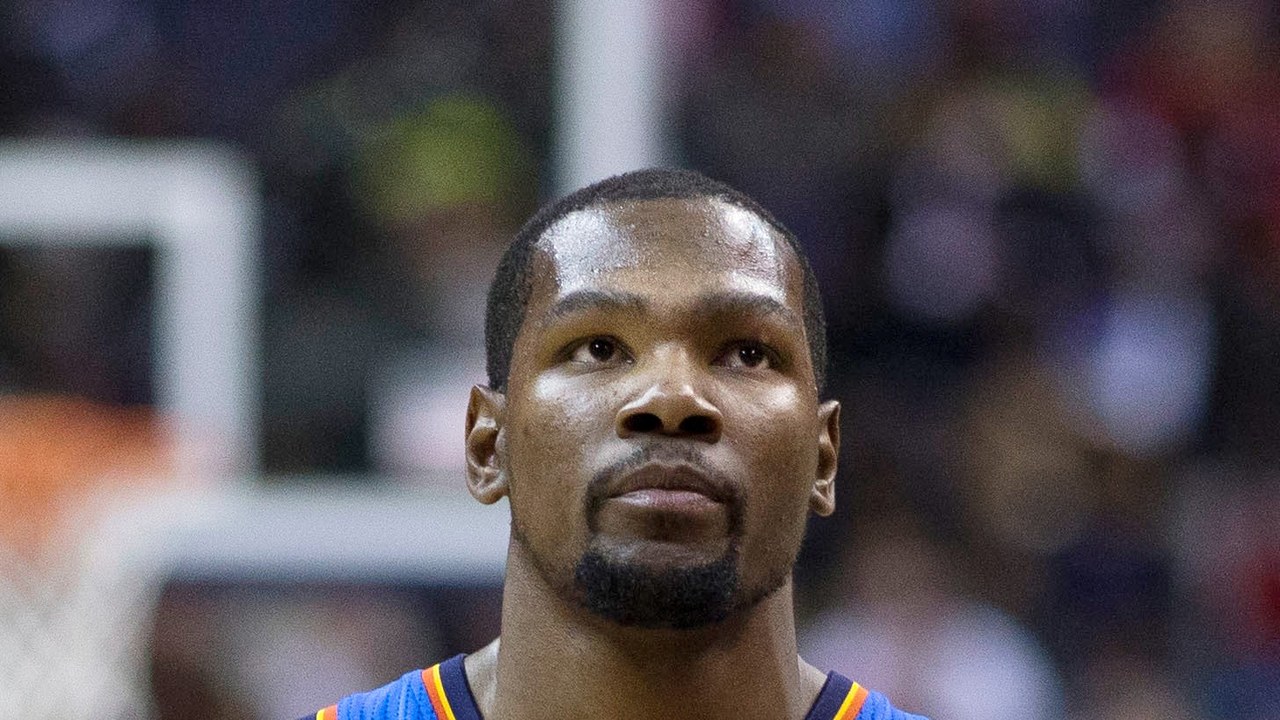
Kevin Durant is selling the Arizona mansion he bought when he was still a Phoenix Sun. The Houston Rockets star has listed his 10,865-square-foot Paradise Valley estate for $13.9 million, more than a year after the Suns traded him to Houston — and the listing lands in the same season his most famous off-court bet is being valued at more than $60 million.
The house is the kind of property that sells itself in photographs, which is a problem for Durant only in the sense that the photographs belong to the listing. It sits on 1.72 acres with sweeping views of Camelback Mountain, designed by renowned architect Jack DeBartolo, with five bedrooms, eight bathrooms and an 82-foot swimming pool. Durant bought it from former NFL star DeAndre Hopkins for about $12.9 million in 2023, shortly after joining the Suns. He first tried to sell it in September 2025, at about $14.5 million. It returned to the market on November 17 at $13.9 million, with fresh staging, and listing agent Adam Bowman told Homes.com that two athletes have already toured the property.
The mansion is only half the money story. Durant and his longtime business partner Rich Kleiman invest through Thirty Five Ventures, the firm they founded in 2016, and one of its earliest bets was Hugging Face, the open-source artificial intelligence platform. They put $100,000 into its seed round in 2018 and $150,000 into its Series A in 2019 — $250,000 in all. In August 2026, Nvidia reportedly agreed to acquire Hugging Face for $12.9 billion, according to The Information, a report later carried by Forbes and CNBC. Sports-business reporter Joe Pompliano did the maths on Durant's early stake and estimated it could now be worth more than $60 million — roughly 240 times the money he put in, and more than he will make playing basketball this season.
That $60 million number needs a careful read, because it is travelling around the internet as a fact and it is not one. It is Pompliano's estimate, built on the reported $12.9 billion acquisition price. Durant's actual ownership stake has never been publicly disclosed, later funding rounds will have diluted the early investors, and neither Nvidia nor Hugging Face has publicly confirmed the acquisition at all. Bleacher Report put it plainly in August: the total payout is not confirmed, since Durant's share of the company is not public. The $250,000 is documented. The $60 million is a well-sourced estimate of what that stake could be worth if the reported deal closes at the reported price — and it is still worth marvelling at, because even half of it would be one of the best investments any athlete has ever made.
The investment world has noticed. On his Read the Room podcast, Milwaukee Bucks forward Kyle Kuzma called Durant the best private-market investor in basketball, pointing to the run of companies Durant got into in 2016 and 2017, when he was with the Golden State Warriors and living in San Francisco, a short drive from Silicon Valley. "I feel like he had the cheat code," Kuzma said, describing a portfolio where "everything's at least 10, 15, 20x." The Hugging Face return, if it lands anywhere near the estimate, would be the headline of that portfolio — but it is not the whole of it. Through Thirty Five Ventures, Durant has backed more than 100 companies, including Coinbase, Postmates, Acorns, Dapper Labs and Whoop, and he holds stakes in the Philadelphia Union and Paris Saint-Germain.
For scale, Durant has earned more than $500 million in NBA salary across his career, according to Spotrac, including roughly $43.9 million with the Rockets this season as part of his two-year, $90 million deal, with a $46.1 million player option for 2027-28. On the court, the 38-year-old is averaging 21.3 points, 5.3 rebounds and 3.8 assists through 16 games, and Houston entered Friday at 12-4, among the Western Conference's strongest teams. The mansion sale is a footnote to that career. The Hugging Face bet is not — it is the rare athlete investment that could out-earn a season of basketball.
THE KEY NUMBERS
Asking price: $13.9 million — Paradise Valley, Arizona. Bought: about $12.9 million, from DeAndre Hopkins, in 2023. First listing: about $14.5 million, September 2025. Size: 10,865 square feet, 5 bedrooms, 8 bathrooms, 1.72 acres, 82-foot swimming pool. Hugging Face in: $250,000 — $100,000 in the 2018 seed round, $150,000 in the 2019 Series A. Hugging Face out (estimate): more than $60 million — roughly 240 times the money in. Nvidia's reported price: $12.9 billion. Durant's Rockets pay: $43.9 million this season, with a $46.1 million player option for 2027-28.
THE STORY SO FAR
2016: Durant and Rich Kleiman found Thirty Five Ventures. 2018: a $100,000 check into Hugging Face's seed round. 2019: another $150,000 in the Series A. 2023: Durant buys the Paradise Valley mansion from DeAndre Hopkins for about $12.9 million. June 2025: the Suns trade Durant to the Houston Rockets ahead of the NBA Draft. September 2025: the mansion is listed for the first time, at about $14.5 million. August 27, 2026: Nvidia's reported $12.9 billion acquisition of Hugging Face is reported, and Pompliano estimates Durant's stake above $60 million. November 17, 2026: the mansion returns to the market at $13.9 million. November 20-21, 2026: the listing makes national news, and Kuzma calls Durant the NBA's best investor.
WHAT HAPPENS NEXT
The listing is live, and two athletes have already walked through the house, so the first question is whether it sells near the $13.9 million ask — about $1 million above what Durant paid in 2023, before fees, taxes and staging. The second question is slower and bigger: whether Nvidia's reported Hugging Face acquisition closes, and at what price, because that is what turns Pompliano's $60 million estimate into a real payout. Neither company has confirmed the deal, so the number stays an estimate until one of them does. On the court, Durant and the 12-4 Rockets keep playing — and every game he plays at 38 makes the off-court portfolio look more like the plan than the hobby.