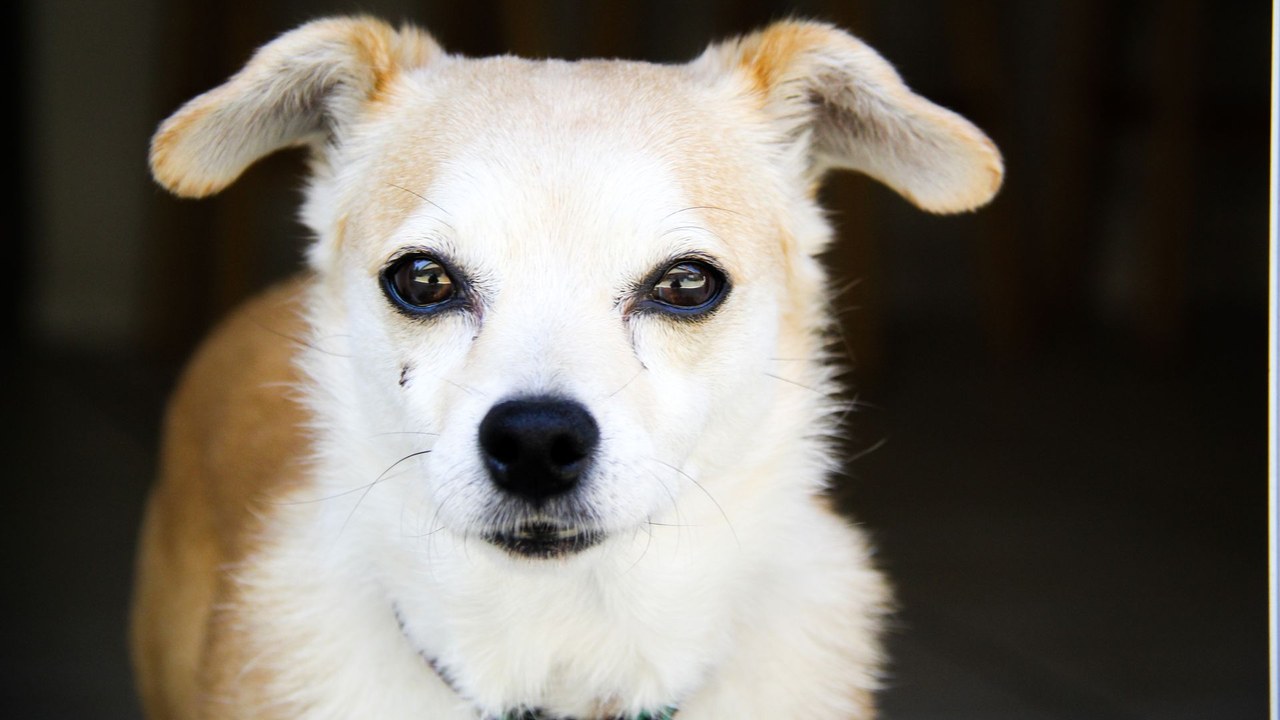
Most lost-dog stories are a race against days. Duo's was a marathon measured in seasons: one year and nine months between the February day in 2025 when a small tan-and-white Chihuahua vanished in Dallas, Texas, and the November night his family finally saw his face again — held up to a phone camera, 21 months older, answering to a completely different name.
February 2025: Duo Disappears
The family's community post on PawBoost — the lost-pet network whose listings stay up and searchable long after a search cools down — dates the loss to February 10, 2025. Duo was exactly the kind of dog who disappears quietly: tiny, friendly, portable. A Chihuahua does not batter down fences or make the local news. He gets picked up — often, at first, by someone who means well.
What the family could not know was that the hardest part of losing Duo was not that he was lost. It was that he was found — by the wrong chain of hands. Somewhere in Dallas, their dog was alive, indoors and renamed. As far as the people who had him were concerned, his name was Mike.
A Dog Named Mike
This is the chapter that makes Duo's case a detective story instead of a simple reunion. According to the family's account, Duo was taken in, then given away — passed along the way found dogs too often are when finders assume a stray is a stray forever, and rehome him informally instead of reporting him to a shelter or scanning him for a chip. Each handover buried the trail deeper. The family, meanwhile, was told in fragments that he was somewhere in Dallas — with no proof of life, no address, and a dog who now answered to another name in another home.
Sit with that problem for a moment, because it is the real puzzle of this story. A renamed dog cannot be called home. A dog indoors leaves no sightings. Posters show a name their dog no longer knows, in neighborhoods where the people holding him may never connect the little dog in their kitchen to the little dog on the flyer. Finding Duo required turning that chain of strangers back into information — and information, in lost-pet work, comes from keeping the record alive: the post that never comes down, the description that stays searchable, the paper trail that waits longer than people's memories do.
It has been 1 year and 9 months without my baby and he's back home! — Duo's family
The Video Call Heard Around The Family
The recovery, when it broke, broke the way family news breaks now — on a screen. In the family's reunion video, posted November 2 and still gathering shares this week, a daughter holds Duo up to the camera on a video call while her parents take him in. Their reaction is the whole 21 months in four words: "You found him?!"
Disbelief first — the same protective disbelief that shows up in every long-gap reunion — then the collapse into joy, with the in-person family reunion following behind the call. The family's own caption carries the official count of the ordeal, and it is the line now traveling with the video everywhere it is shared: "It has been 1 year and 9 months without my baby and he's back home!"
How A Renamed Dog Gets Found
Duo's case is extreme, but the mechanics that crack cases like his are well known to the people who run lost-pet networks, and they are worth writing down. A microchip, if the dog has one and it gets scanned, speaks the owner's name no matter what name the dog is living under. A community listing that stays live for months or years — searchable by anyone who later thinks to check — turns one family's search into a permanent record. And the paper trail matters: dated posts, photos and reports establish, when a dog finally surfaces in someone else's home, whose dog he was all along.
The uncomfortable mirror-image is for finders. Duo's story happened because, at the first handover, someone treated a found dog as a keeper. The standard that prevents a thousand Duos is unglamorous: report a found dog to the local shelter, get him scanned for a chip, and list him where his family is looking — before deciding he needs a new home. Somebody's "Mike" may be somebody else's 21-month heartbreak.
What To Do In The First 24 Hours When A Dog Vanishes
Lost-pet workers give the same advice because it keeps proving true. Search immediately and loudly — most dogs are found close to home, fast. File reports with every local shelter and check them in person; phone descriptions fail small dogs constantly. Post to the persistent networks, PawBoost among them, with clear photos — and leave the post up, because trails can run for years. Knock on doors on your own street with the photo in hand. And if your dog is chipped, alert the registry and confirm your phone number is current.
Duo came home after one year and nine months, through a chain of strangers, under a stranger's name. The family's part in that ending was the least glamorous strategy of all: they kept the record alive and they did not stop believing the trail existed. This month, the trail ended — on a phone screen, in four disbelieving words.