New York City is disbanding the police unit at the center of a decade of protest-policing controversies. Mayor Zohran Mamdani announced Monday that the NYPD's Strategic Response Group will be eliminated, its protest duties handed to a new civilian-led team — and officers will be banned from using tear gas, long guns and kettling at protests.
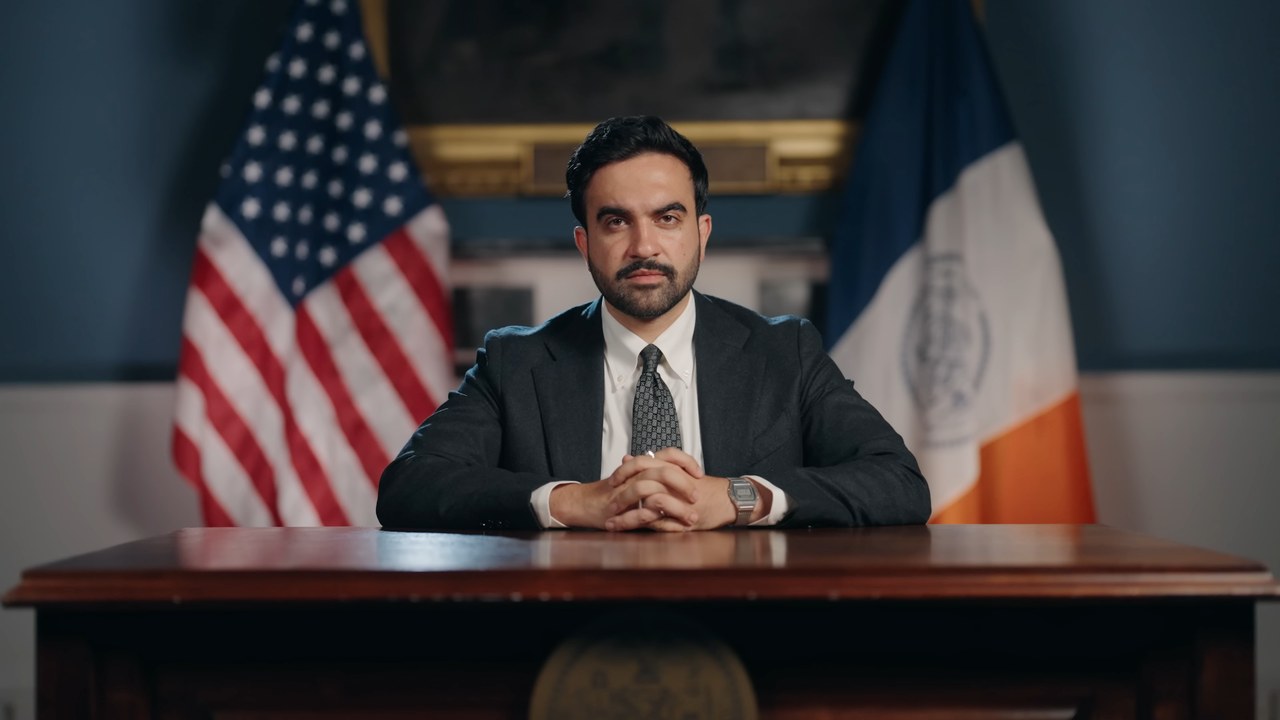
The move fulfills one of Mamdani's central campaign promises: to separate protest policing from counterterrorism. 'During our campaign, I promised New Yorkers that we would disband the Strategic Response Group and separate counterterrorism from protest response, and today we are delivering on that promise,' Mamdani said in a statement with Commissioner Jessica Tisch. The mayor announced the changes in a video address alongside City Council member Chi Ossé, and did not hold a news conference or take questions.
WHAT IS BEING DISBANDED — AND WHAT REPLACES IT
The Strategic Response Group, created in 2015 as a counterterrorism unit, became the NYPD's go-to force at demonstrations — and the target of years of complaints about excessive force. Under the plan announced Monday, the unit is eliminated and its roughly 500 officers are redistributed across the department.
Its counterterrorism work — including heavy-weapons deployments at critical infrastructure — moves to the NYPD's Intelligence and Counterterrorism Bureau. Protest response goes somewhere new: a civilian-led Community Dialogue and De-escalation Division inside the Mayor's Office of Community Safety, staffed by unarmed civilians with no arrest powers, working alongside a new 30-member NYPD First Amendment Support Team trained in communication and de-escalation. A separate Patrol Support Division will handle crowd-management support.
The administration says the restructuring adds no cost and changes neither the size of the NYPD workforce nor its overall headcount. Commissioner Tisch, who has led the department for nearly two years and was retained by Mamdani from the previous administration, backed the plan in an internal email to officers Monday morning.
THE NEW RULES FOR PROTESTS
Alongside the disbanding, Mamdani banned a set of tactics at protests outright: kettling — surrounding demonstrators to carry out mass arrests — plus tear gas and long guns at First Amendment activities. Pepper spray will no longer be used as a crowd-control tool, and officers will be barred from using bicycles as weapons against demonstrators except in extreme circumstances. The use of acoustic devices against protesters is also restricted.
Some of those tactics, including tear gas and long guns at protests, have not been used in recent memory, according to the mayor's office — the announcement codifies practices the department had already moved away from, and writes them into formal policy.
WHY THE UNIT WAS CONTROVERSIAL
The SRG was built for counterterrorism, but it was deployed again and again at street protests — most visibly during the demonstrations that followed the police killing of George Floyd in 2020. Protesters, journalists and legal observers accused its officers of beatings, unjustified pepper spray and shoving demonstrators with bicycles.
In 2021, New York Attorney General Letitia James sued over the department's handling of the 2020 protests, documenting widespread misconduct. The case ended in a 2023 settlement — the Payne agreement — requiring the NYPD to limit aggressive tactics, cut unnecessary deployments and strengthen oversight. A federal judge authorized the reforms in 2024. Civil rights groups have pressed for the unit's elimination ever since, and the City Council's CURB Act — a bill to permanently separate counterterrorism from protest policing — became the template for Monday's announcement. Mamdani has endorsed the bill.
THE STORY SO FAR
2015 — The NYPD creates the Strategic Response Group, focused on counterterrorism and major emergencies.
Summer 2020 — The unit is deployed heavily at protests after George Floyd's killing; demonstrators and journalists allege excessive force.
2021 — Attorney General Letitia James sues the city over the NYPD's protest response, documenting beatings, unjustified pepper spray and bicycle shoves.
2023 — The city settles the lawsuit in the Payne agreement, accepting limits on aggressive protest tactics and stronger oversight.
2024 — A federal judge authorizes the Payne reforms.
January 2026 — Mamdani takes office as mayor; his administration begins developing the protest-policing overhaul.
November 16, 2026 — Mamdani and Commissioner Tisch announce the SRG's disbanding, the new civilian-led division, and the bans on kettling, tear gas and long guns at protests.
WHAT HAPPENS NEXT
The new structure takes shape in the coming weeks: the civilian Community Dialogue and De-escalation Division starts work inside the Mayor's Office of Community Safety, the 30-officer First Amendment Support Team forms inside the NYPD's Community Affairs Bureau, and the SRG's officers are reassigned. The administration says no new funding is needed and staffing levels do not change.
Civil rights groups welcomed the announcement with a caveat: the NAACP Legal Defense Fund applauded the disbanding and the tactic bans, but urged vigilance — warning that the new Patrol Support Division must not become the SRG under a different name. The NYCLU and other groups raised the same concern.
The politics are not settled either. The reforms come after months of criticism from some of Mamdani's most left-leaning supporters, who said he had not moved fast enough on police reform — and the announcement lands as the mayor faces pressure from the other direction over public safety. What happens at the next large protest in New York will be the first real test of whether the new system works differently, or just sounds different.