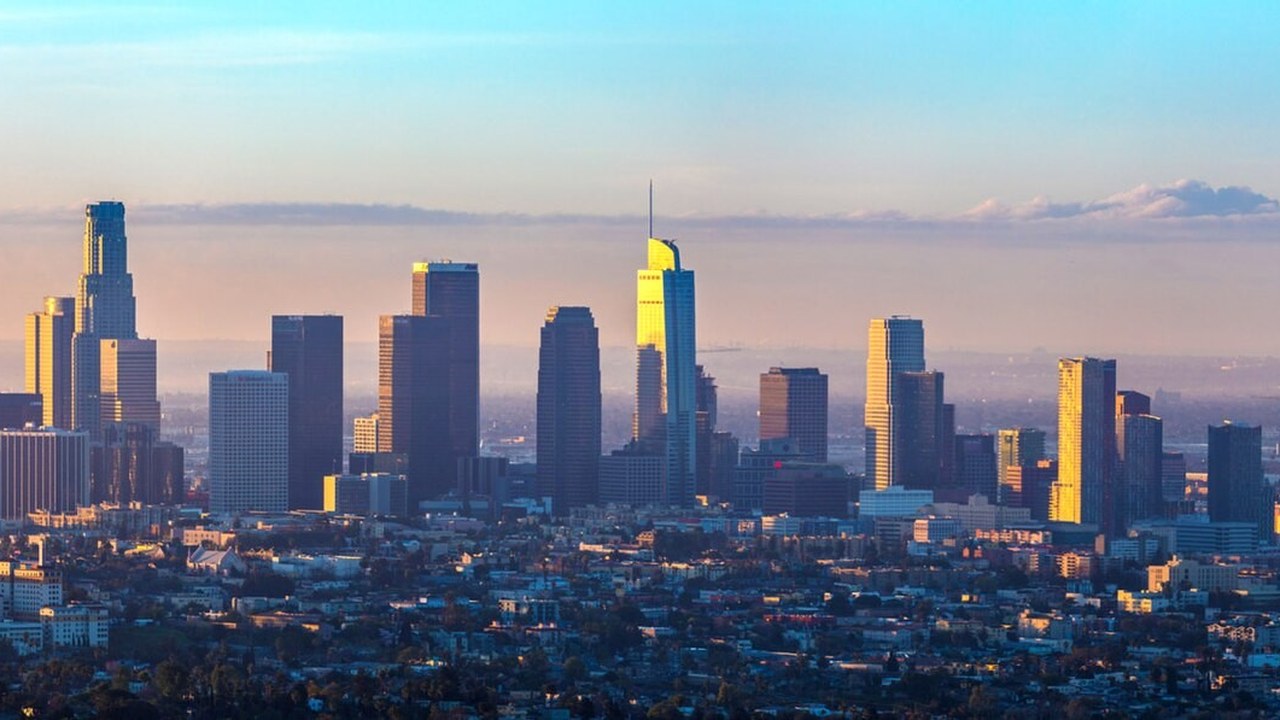
A magnitude 4.4 earthquake woke Los Angeles at 3:25 a.m. on Friday, November 20, shaking homes across the city just hours after a stronger quake rattled Central California. The U.S. Geological Survey puts the epicenter about one kilometre north-northwest of Commerce, roughly five miles east-southeast of downtown Los Angeles, at a depth of about 10.6 miles. There were no immediate reports of damage or injuries — but for a city of four million people, it was a very loud way to start the day.
The shaking was felt across the Los Angeles Basin. The USGS “Did You Feel It?” page collected more than 7,500 reports within hours, from Pasadena and North Hollywood to Gardena, Riverside, Alhambra, San Gabriel and Long Beach. The highest shaking reported was intensity IV — light — and the USGS impact estimate is green, meaning no casualties and little or no economic damage are expected. The quake was first reported as a magnitude 4.2, then revised upward to 4.4 after a seismologist reviewed the data.
What Officials Found
The Los Angeles Fire Department went into earthquake mode as soon as the shaking stopped, sending crews from all 106 neighbourhood fire stations to survey critical infrastructure by land, air and sea across the city’s 470 square miles. By about 5:30 a.m., the department said no significant infrastructure damage or injuries had been found, earthquake mode was complete, and normal operations had resumed. Mayor Karen Bass said the quake likely woke many Angelenos but that there were no immediate reports of damage or operational impacts, including at Los Angeles International Airport.
For many people, the first sign was not the shaking itself but the noise — rattling windows, car alarms, and phones lighting up at once as neighbours checked on each other. Within the hour, “earthquake Los Angeles” was among the most searched phrases in the United States — and this time, the quake people were searching for had actually happened under their own city.
Two Quakes, One Night
The Los Angeles quake was the second significant earthquake in California in less than five hours. The first, a magnitude 5.0, struck near Pinnacles National Park in Central California at 10:49 p.m. on Thursday, followed by more than a dozen aftershocks along the San Andreas Fault. The two quakes hit different parts of the state, hours apart — one in a sparsely populated stretch of Central California, the other beneath one of the largest cities in the country. That is why the night produced two very different stories: a strong quake almost nobody felt, and a moderate quake almost everybody in Los Angeles did.
The confusion was real. Early on Friday morning, before the Los Angeles quake had been confirmed, reports of a 4.2 quake near downtown Los Angeles were circulating online — and our own earlier story said the city had no quake. That was wrong, and we have corrected it. The USGS has now reviewed the event and confirmed it: magnitude 4.4, one kilometre north-northwest of Commerce, at 3:25 a.m. Pacific time.
A magnitude 4.4 earthquake is strong enough to wake a city. This one did — and then, mercifully, it stopped there.
THE KEY NUMBERS
Magnitude 4.4 — the USGS reviewed figure, up from the 4.2 first reported. Depth 10.6 miles (17.1 kilometres). Time 3:25 a.m. Pacific, Friday, November 20 (11:25 UTC). Epicenter About one kilometre north-northwest of Commerce, about five miles east-southeast of downtown Los Angeles. Felt reports More than 7,500 and counting. Intensity IV, light, at the epicentre. Damage and injuries None reported as of Friday morning. The other quake Magnitude 5.0 near Pinnacles National Park, 10:49 p.m. Thursday, with more than a dozen aftershocks.
QUESTIONS PEOPLE ARE ASKING
Did Los Angeles have an earthquake? Yes. A magnitude 4.4 struck near Commerce at 3:25 a.m. on Friday, November 20, and was felt across the Los Angeles area. Was there any damage? None reported. The Los Angeles Fire Department surveyed the city from all 106 fire stations and found no significant damage or injuries, and the mayor’s office reported no operational impacts, including at LAX. Was it connected to the Pinnacles quake? The two quakes struck hours apart in different parts of California — the 5.0 near Pinnacles late Thursday, the 4.4 near Commerce early Friday. Was there a tsunami? No — the quake was inland, and no tsunami warning was issued. Will there be aftershocks? Smaller aftershocks are possible; the USGS has posted an aftershock forecast on its event page. What should you do if one hits? Drop, cover and hold on.
THE STORY SO FAR
9:53 p.m., Thursday, November 19 — A magnitude 3.1 earthquake is recorded near Pinnacles, in Central California.
10:12 p.m. — A magnitude 3.3 follows in the same area.
10:49 p.m. — The magnitude 5.0 mainshock strikes near Pinnacles, and ShakeAlert notifications go out.
Overnight — More than a dozen aftershocks between magnitudes 2.5 and 3.0 shake the Pinnacles area.
3:25 a.m., Friday, November 20 — A magnitude 4.4 earthquake strikes near Commerce, Los Angeles. It is first reported as 4.2.
About 5:30 a.m. — The Los Angeles Fire Department completes its citywide survey: no significant damage or injuries.
Friday morning — The USGS publishes its reviewed solution: magnitude 4.4. More than 7,500 people have filed “Did You Feel It?” reports.
WHAT HAPPENS NEXT
The USGS is monitoring the aftershock sequence around Commerce, and its event page carries the official aftershock forecast. The Los Angeles Fire Department has returned to normal operations, but the city will keep checking infrastructure through the day. If you felt the shaking, the USGS asks people to file a “Did You Feel It?” report — those reports are how seismologists map exactly how far a quake was felt.
After A Quake: A 60-Second Check
Check for a gas smell before switching anything on — if you smell gas, leave and call for help from outside. Look for cracks in walls and ceilings, and for anything that has shifted or fallen. Do not use lifts until the building has been checked. Expect aftershocks: drop, cover and hold on again if one hits. Check on neighbours, especially anyone elderly or living alone. And keep your phone charged — the next update will come through it.